
Ainsley Harris ’26
Staff Writer
I spent the summer back home in Austin hating on transplants. I railed against the out-of-towners and out-of-staters swarming my city. I could go into specifics on how Austin has transformed: the skyline unrecognizable, coffee and breakfast taco prices absurdly high, and local haunts vanished. That tirade against change, however, is overdone and tired. Instead, I am interested in how, on an individual level, transplants and locals alike can change their actions and attitudes as they navigate the tensions between the old and new residents of a city.
Austinites and Austin transplants are increasingly at odds with each other. Locals attribute all the negative changes in the city to transplants. According to them, transplants only seek out the new and disregard or disrespect old, reliable local favorites. It’s their fault that quirky, weird Austin is transforming into a soulless, corporate, tech capital.
Transplants, too, are increasingly frustrated with locals. Upon arrival, they find themselves in a city of malcontent locals predisposed against them. Naturally, they seek out spaces with other newcomers and end up in a feedback loop of transplants. Any potential desire to assimilate into their new home is squashed by the locals’ refusal to accept them.
Austin is only a newer, personal case study of a larger trend of frustrations between locals and transplants. New Yorkers, for example, have been complaining about transplants for as long as New York has existed. Transplants aren’t going anywhere, or rather, they’re going everywhere.
I spent an entire summer grumbling and complaining about transplants until one day I started an application for a job in Chicago. And then I realized, within the year, I will likely be a transplant.
If I don’t return to Austin post-grad, I am doomed to become the very thing I criticized all summer.
The solution to the tensions between transplants and locals will never be preventing people from moving. Moving to a new city is not a morally reprehensible act, in fact it’s not even a bad one. You graduate from college, you follow the job market and your passions, and you move. But, is there a way to move to and live in a new city where there’s not quite so much disconnect between you and that city? Where, instead of being at odds with the locals, you can be in harmony with them?
This article is not, for want of wordcount, time, and expertise, a treatise on gentrification. There are a number of sources, such as The New Urban Frontier, which discuss the topic far better than I could ever articulate in 800 words. Rather, this is my opinion on attitudes and actions college grads can bring with them to their new cities.
Moreover, I am not trying to say cities must be fixed and their pasts memorialized. Cities change. Cities need change. The Austin of my childhood, my reference point for change, was already unrecognizable to the locals of the 70s, 80s, and 90s. At the same time, however, every city has its own personality, quirks, and history. I’m simply brainstorming ways that transplants can grow to understand and value the core characteristics of their new city.
After spending a summer stepping on the toes of transplants, here is what I will do if I become a transplant. If I end up staying in Austin, here is how I’m going to interact with the transplants in my city.
The Transplants’ Responsibilities:
- Learn the history of the city: its origins, its shameful secrets, its mythmaking, and its triumphs.
- Investigate how the physical landscape and city planning reflect or conceal that history.
- Uncover how the city’s past still reverberates today.
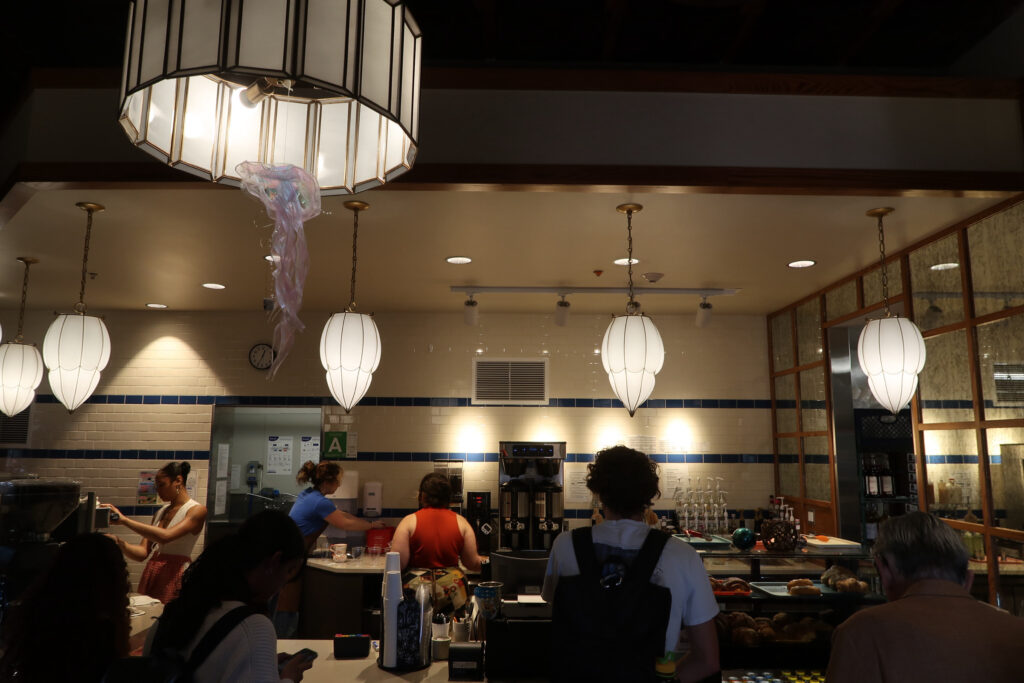
- Don’t get stuck in a transplant bubble: meet locals and ask them about the city! (Even if that just means awkwardly striking up a conversation at a coffee shop).
- Explore local favorites: farmers’ markets, stores, restaurants, coffee shops, grocers, and bakeries.
- Volunteer!
- Spend time in public spaces: libraries, parks, city hall, sidewalks, nature trails, etc.
- Follow local recommendations: word of mouth, local newspapers, and local radio stations (they’ll advertise free events!).
The Locals’ Responsibilities:
- Seek out transplants and be in community with them.
- Be willing to genuinely educate transplants on the history and culture of your city (without being condescending).
- Share your local favorites! Don’t gatekeep, or they could go out of business. (Businesses need customers!)
- Be open-minded: Listen to what transplants have to say and the new ideas they bring.
- Accept change; not all change is bad, and sometimes we become complacent and don’t recognize when it’s needed.
Go! Move to new cities and new countries! Hey, you can even come to Austin. But maybe, as you’re settling into your new home after graduation, implement some of these things. Or, if you’re heading home post grad, maybe give the transplants a bit of a warmer welcome.
Illustration by Juliette Des Rosiers ’26