Katelyn Sewell ’27
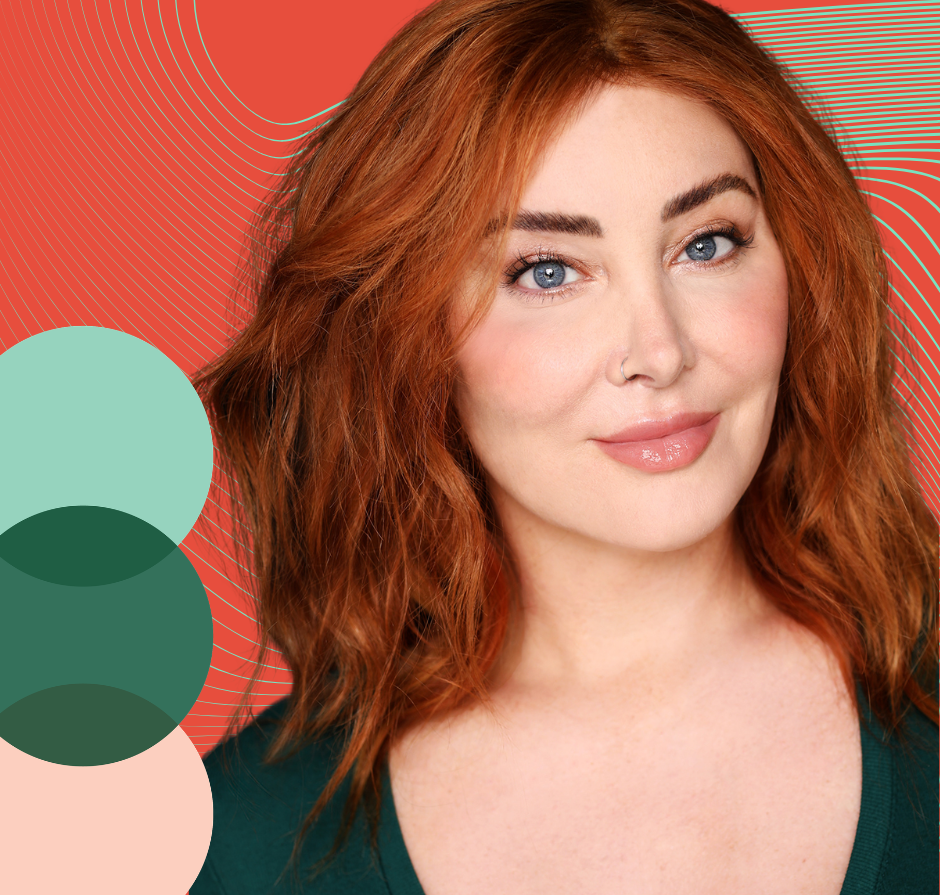
On Sept. 22, Scripps Presents hosted transgender activist and comedian Billie Lee to speak and share excerpts from her book Why Are You So Sensitive? Navigating Everyday, Unintended Microaggressions. The book is co-authored by Dr. Gina C. Torino, a psychologist and microaggressions expert. The book covers microaggressions from a variety of perspectives and discusses what we can do about them.
Dr. Torino’s contribution to the book comes in the form of insightful analysis in which she additionally provides tools and helpful resources in response to handling microaggressions.
The inspiration for Lee’s book came from her years in Los Angeles after coming out as trans. Lee noticed a pattern of compliments that didn’t really feel like compliments from those who knew of her trans identity. One such comment included, “You look better than me, and I’m a real woman.” Even though she knew the microaggressions came from good intentions, she validated how painful they could be.
Lee wasn’t always a public figure in the trans community. She grew up in Indiana and graduated from an Illinois broadcasting academy with her radio, TV, and film degree before making the decision to move to California.
Lee got her start in the industry and gained popularity when she joined Bravo’s Vanderpump Rules in 2018 – a reality TV show following the chaotic personal and professional lives of the staff at Lisa Vanderpump’s restaurant in West Hollywood. After joining the cast as a hostess at SUR (Sexy Unique Restaurant), she went on to become the show’s first openly transgender cast member.
During her talk, Lee discussed the impact of her decision to join the reality TV show. Prior to the show, she owned an organic cafe where she cultivated a vibrant business for two years before selling. This was also where Lee made her decision to tell the world she was trans.
Lee further stated that prior to coming out as trans, she was living her life in “stealth.” She was prompted to come out when regulars at her cafe had made transphobic comments. Lee realized her “community was under attack,” and wanted to put her voice into the conversation by starting a blog about her own experiences navigating her trans identity. Lee’s blog quickly gained popularity, which brought Vanderpump Rules casting to her door.
Later, in the Q&A portion of her talk, Lee answered a few questions about her time after Vanderpump Rules. In answering the question about whether or not she was still friends with former castmates, she said it had been many years since speaking with them.
Furthermore, Lee talked about how exhausting the show had been for her, mentally, emotionally, and physically. Call times beginning in the early hours of the morning, and ending late into the evening. Lee even recalled the burden of the show calling her at any given time, outside of her call times, requiring her to come to set so they could get her reaction to an incident.
Lee spoke of the double-edged sword that was her experience on Vanderpump Rules. While national television brought her broader visibility, Lee also found herself and her identity being minimized to her trans-identity for plotline sake.
She spoke candidly of the whirlwind that was the false narratives that the Bravo hit created about her. “Who the fuck did I just watch on my TV?”, were akin to texts Lee received from long-time friends who seemingly didn’t recognize the person Lee was depicted as in the drama series. While the show gave Lee a platform, it also demonstrated how poorly equipped mainstream television was and is at handling highly nuanced marginalized experiences.
Lee continued the talk by reading out a few chapters from her book. The chapters were compiled of her own perspectives mixed with friends of hers. The excerpts detailed personal experiences varying from her childhood in Indiana battling an unaccepting environment to her transitioning process that took place in “Thailand to get [her] vagina and boobs done.”
Additionally, stories like Joecelyn Mondragon-Rosas, a friend of Lee’s and disability advocate, were included. Mondragon-Rosas’s story described the microaggressions she received from the public, such as, “I don’t know how you get up with a smile every day.”
The Scripps Presents event concluded with an open Q&A where Scripps students and community members engaged directly with Lee. Her answers and interactions highlighted the navigation of microaggressions within progressive spaces while seamlessly integrating humor with her inspiring honesty.
Now, Lee travels the country as a stand-up comedian, continuing to use her platform to advocate for the trans community and to educate about microaggressions. Lee’s comedy demonstrates how humor can serve as a survival mechanism and a disarming tool for complex conversations. Her Scripps Presents talk engages with highly salient dialogue surrounding a variety of communities and the microaggressions they suffer, encouraging us all to learn to be better.